

Ovulation Induction: What It Is, Who Should Consider It & How to Prepare
Sometimes, women may not ovulate at all, or they may ovulate irregularly. Since regular ovulation is important for conception, difficulties with ovulation can make it harder to get pregnant. This is where ovulation induction fertility treatment may help. It uses medications to stimulate the ovaries and encourage the release of a mature egg, helping create a more predictable fertile window.
Ovulation induction fertility treatment can be considered by couples, single women, and LGBTQ+ individuals or couples who are planning to build their families. So, if you're having difficulty conceiving due to irregular or absent ovulation, this treatment may be worth discussing with a fertility specialist.
This blog will provide information on everything you need to know about ovulation induction.
What Is Ovulation & Ovulation Induction?
Ovulation induction is a fertility treatment that stimulates the ovaries to release eggs. The goal of the treatment is to increase the chances of conception by regulating ovulation. It's commonly used by couples and single women. In fact, perfect for LGBTQ family planning.
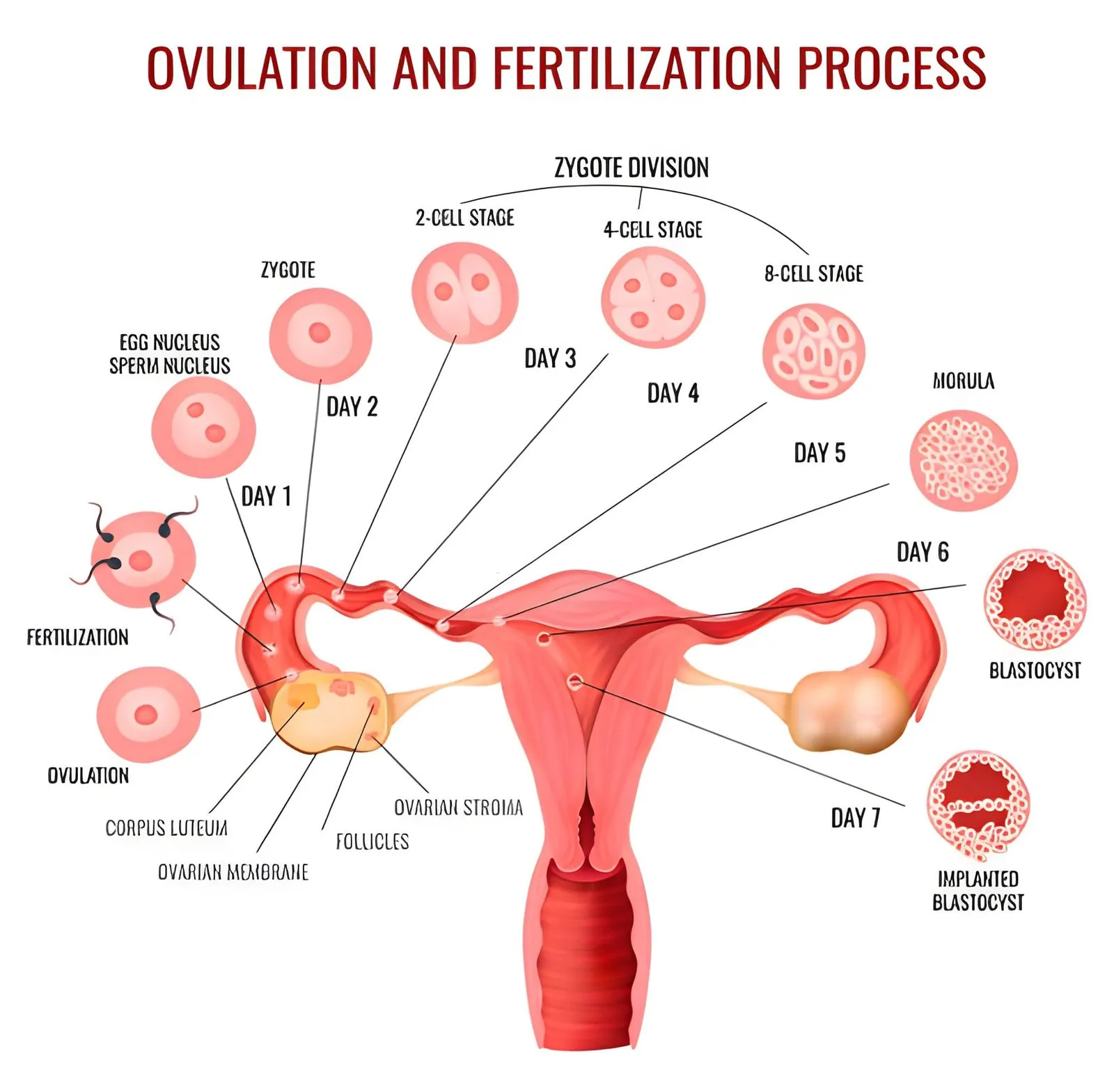
As you know, ovulation is a key component of pregnancy. However, when it doesn't happen on time, it can lead to difficulty with fertility. That's why people take ovulation induction fertility therapy to increase the chances of conceiving. The treatment uses medications to stimulate the ovaries to release eggs. Moreover, these medications fall into two main categories:
Oral
Injectable
Who Should Consider Ovulation Induction?
Ovulation Induction is recommended for couples with various fertility challenges, including:
Irregular menstrual cycles
An irregular menstrual cycle makes it difficult to predict when ovulation occurs. With ovulation induction, prescribed medications like letrozole or clomiphene citrate are used to stimulate the ovaries.
These medications force the body to grow and release a mature egg, creating a predictable timeline. This fixes an irregular menstrual cycle by changing hormonal delays with controlled, timed release.
IUI & Timed Intercourse
The ovulation induction process helps in controlling the exact timing of ovulation when paired with timed intercourse or intrauterine insemination (IUI). This maximizes the fertile window.
PCOS
When a woman with polycystic ovary syndrome (PCOS) does not ovulate on their own, ovulation induction uses medications. These are in the form of oral or injectable medications that stimulate the ovaries to release eggs and grow. Additionally, fertility treatment for PCOS creates a fertile window, making conception possible. The treatment works by triggering hormones, maturing an egg, and restoring timing.
Unexplained Infertility
If a standard infertility test does not show a specific reason for infertility, then ovulation induction may be an option that can be considered in some cases, especially if used together with IUI. What will work best in any particular case depends on various criteria, such as age and ovarian function, for instance.
How to Prepare Yourself For Ovulation Induction
While preparing for ovulation induction, there are several things that will help you achieve the best possible outcomes. Here's how to do it!
1.Book an Appointment with a Fertility Specialist
The first step is to schedule a fertility appointment and consult with a fertility specialist. Here, you will be discussing the medical history, undergo a physical examination, and undergo some tests.
2.Medical Tests
The next step is medical tests that a person has to undergo. These will help in determining the appropriate treatment plan. A few are mentioned below with the reason.
Blood test to examine hormone levels
Ultrasound to assess ovarian function
Hysterosalpingogram (HSG) to analyze the fallopian tubes' condition.
1. Review Medications
If you're already taking any prescribed medicines, then you have to tell the ovulation induction fertility specialist. The reason is that the doctor will adjust the medicines or prescribe some medicines to support the induction process.
2. Lifestyle Changes
Lifestyle changes can improve the effectiveness of ovulation induction. For this, no heavy workouts or a strict diet are necessary. Just changes in a few habits, like eating a balanced diet that contains all the essential nutrients required for overall health. Additionally, physical activity is also a plus in managing stress. Most importantly, avoid smoking and alcohol consumption.
3. Monitoring Menstrual Cycle
The doctor will help you keep track of your menstrual cycle. This is the best way to determine the timing for ovulation induction. Moreover, this may involve using an ovulation predictor kit or monitoring hormone levels by doing blood tests.
4.Understand the Procedure
You have to be familiar with the whole procedure of the ovulation induction fertility process. This includes prescribed medicines and their work. Moreover, what you can expect during the treatment period. Getting yourself informed will ultimately help you alleviate anxiety. In fact, prepare you for the rest of the journey ahead.
5. Plan Follow-up
Make sure you follow up for the appointments on time and monitor your response to the treatment. You should know that these visits are crucial for adjusting medication dosages. Lastly, ensure the best outcome.
Conclusion
In conclusion, ovulation induction fertility is an essential procedure for females dealing with the challenges of fertility. This procedure is a path to building or increasing conception chances. Moreover, it can significantly improve the quality of life. So, if you've already decided to go with the ovulation induction fertility procedure, consult with the specialist without further delay. These experts can guide you throughout the process and give hope to your parenthood journey.